Execution risk has a cash cost: What boards don’t see in the pack

Most boards see project risk as a traffic‑light problem. Packs arrive with statuses, milestone charts and assurance statements that suggest risk is being “managed”. Then, months later, the same projects surface as write‑downs, scope cuts, emergency bailouts or audit findings. The gap between those two moments is the cash cost of execution risk. It is […]
What value-complete means to EPMO

Most executives don’t approve projects because they want more activity. They approve them because they want more value such as higher sales, lower leakage, reduced risk or better service delivery. Yet in many organisations, success is still defined as “on time, on budget, in scope”. The project file closes, the steering committee disbands and the numbers barely move. The CRM is […]
From delivery instrument to governance function

Many organisations continue to position the PMO as a coordination mechanism. It manages timelines consolidates reports and tracks milestones. In stable operating environments that may be sufficient. In capital intensive and publicly visible programmes it is not. The central question facing boards, CFOs and executive committees is rarely whether activity is taking place. It is whether capital is protected […]
Public-Private Partnerships in Africa: What Works and What Fails

Having worked on and observed PPPs across sectors, from telecommunications network infrastructure to rail projects, we’ve seen the good, the bad, and the “never again.” And if there’s one thing to say upfront, it’s this: PPPs are not magic.
Transportation Corridors as Growth Catalysts: Lessons from African Highways and Rail Projects
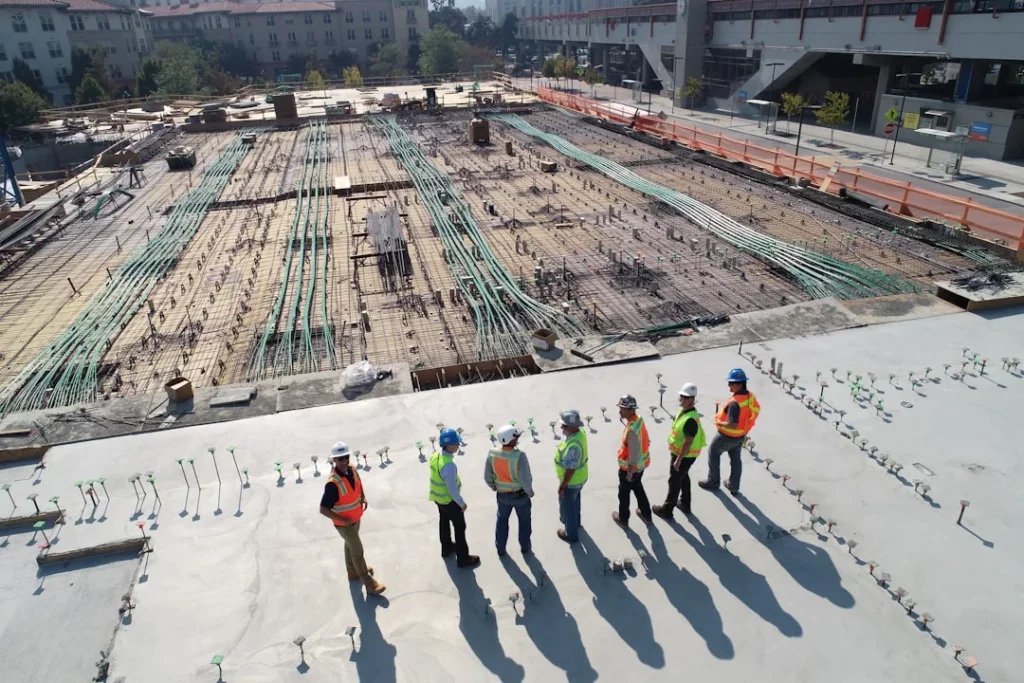
If there’s one thing years of working across African projects has taught us, it’s this: you can’t build prosperity on photo ops. You build it on corridors.
The Future of African Infrastructure: Building Cities for 2050

Africa is urbanising at breakneck speed. By 2050, over 1.5 billion Africans will live in cities — that’s more than double today’s number. Lagos, Kinshasa, Nairobi, Cairo, Dar es Salaam… these names won’t just be cities; they’ll be megacities. If the world wants to understand the future of growth, it must look here.